CBO or ABO in Meta ads? Campaign budget vs ad set budget
· 7 min read
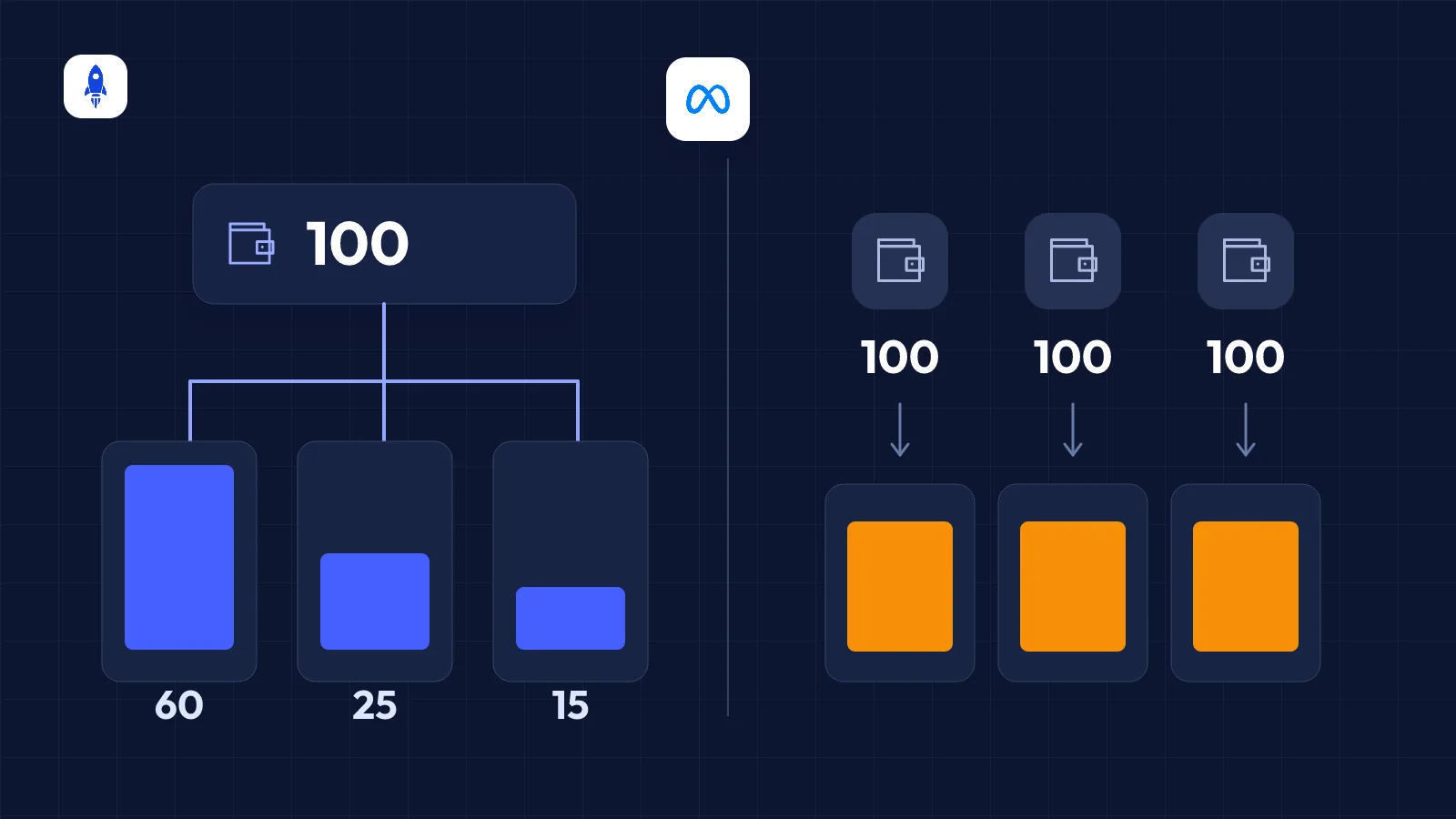
With CBO you set the budget at campaign level and Meta distributes it to the best-performing ad sets itself; with ABO you set each ad set's budget. CBO generally suits scaling, while ABO suits fair testing.
What are CBO and ABO?
- CBO (Campaign Budget Optimization): The budget is set at campaign level. Meta distributes it across the campaign's ad sets, favouring whichever is delivering the best results at the time. In Meta's interface today it's called Advantage+ campaign budget.
- ABO (Ad Set Budget Optimization): Each ad set has its own budget. You decide how much goes to each audience.
Neither is “right” or “wrong”; they're used for different jobs.
When does CBO work better?
- When scaling: Once winning audiences and creatives are clear, raising budget from one place and leaving distribution to the algorithm makes management easier.
- With similar-sized audiences: If ad set audiences are close in size, CBO distributes more evenly.
- With broad targeting: In accounts using open targeting and large audiences, the algorithm's flexibility is an advantage.
When does ABO work better?
- When testing: When trying a new audience or creative, you want each to get an equal, guaranteed budget. In CBO the algorithm may spend almost nothing on some ad sets, leaving the test inconclusive.
- When audience sizes differ a lot: If a broad interest audience and a small retargeting audience share a campaign, CBO leans towards the big one and the small one doesn't get enough budget.
- When you need strict budget control: If you must allocate an exact amount to a product or region, ABO guarantees it.
Why does the learning phase matter?
Each ad set goes through a learning phase before its performance stabilises. According to Meta, an ad set needs around 50 optimisation events (such as purchases) within roughly 7 days of its last significant edit to exit learning.
So:
- Splitting budget across many small ad sets can leave none of them able to exit learning.
- Frequent big changes to budget, targeting or creative can reset learning.
CBO can help learning finish faster by concentrating spend on fewer ad sets; with ABO, you have to make sure each ad set's budget is enough to learn.
A practical setup: test first, then scale
Many teams use both:
- Test campaign (ABO): New creatives or audiences run for 5–7 days in ad sets with equal budgets.
- Decide: Pick the winners that stay above break-even ROAS. We explain how to find your target ROAS in our ROAS guide.
- Scale campaign (CBO): Move the winners into a CBO campaign and increase budget gradually.
This structure keeps tests fair and lets winners grow quickly.
Common mistakes
- Treating an ad set that doesn't spend in CBO as a “bug”. If the algorithm isn't spending on it, the others are usually delivering better.
- Putting very different audience sizes in one CBO campaign. Small audiences won't get budget; move them to a separate campaign or use ad set spend limits.
- Changing budgets every day. Learning keeps resetting and results never stabilise.
- Judging campaigns only by Meta's ROAS. Also watch the effect on total revenue — see why ad and store data don't match.
Which should you choose?
Short answer: ABO when you're testing, CBO when you're scaling. If your account runs a few campaigns with broad audiences, CBO usually makes management easier. Whichever you pick, base decisions on weekly results and real revenue; CiroFly makes that easier by showing Meta spend next to store and marketplace revenue on one screen.
Frequently asked questions
Is CBO the same as Advantage+ campaign budget?+
Yes. Meta offers campaign budget optimization (CBO) in its interface as Advantage+ campaign budget; the budget is set at campaign level and distributed across ad sets automatically.
Should I use CBO or ABO to test new creatives?+
ABO is usually preferred for a fair comparison, giving each ad set an equal budget. In CBO the algorithm may not spend on some ad sets at all, leaving the test inconclusive.
Why aren't some ad sets spending in CBO?+
Meta directs budget to the ad sets it predicts will perform best at that moment. An ad set that doesn't spend usually looks weaker than the others; if you need a guaranteed budget, use ABO or spend limits.
How many conversions does it take to exit the learning phase?+
According to Meta, an ad set needs around 50 optimisation events within roughly 7 days of its last significant edit.
See your ad, store and marketplace data in one dashboard
CiroFly combines your sales and ad channels and updates ROAS, revenue and channel breakdowns automatically every day.
Related articles
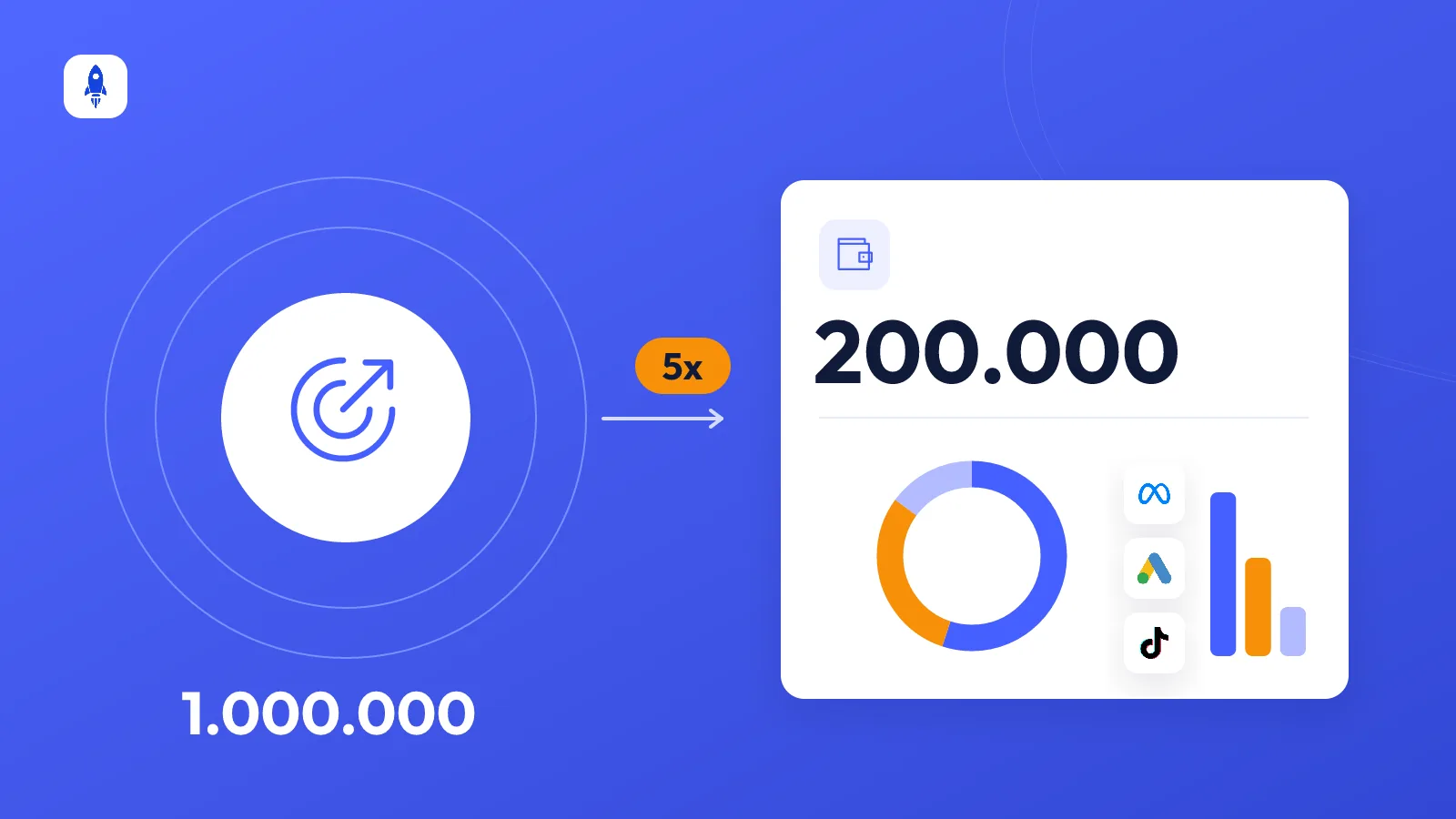
How to set an e-commerce ad budget — and split it across channels
A practical method to work out your ad budget backwards from a revenue target, split it between Meta and Google, and know when to scale up or cut back.
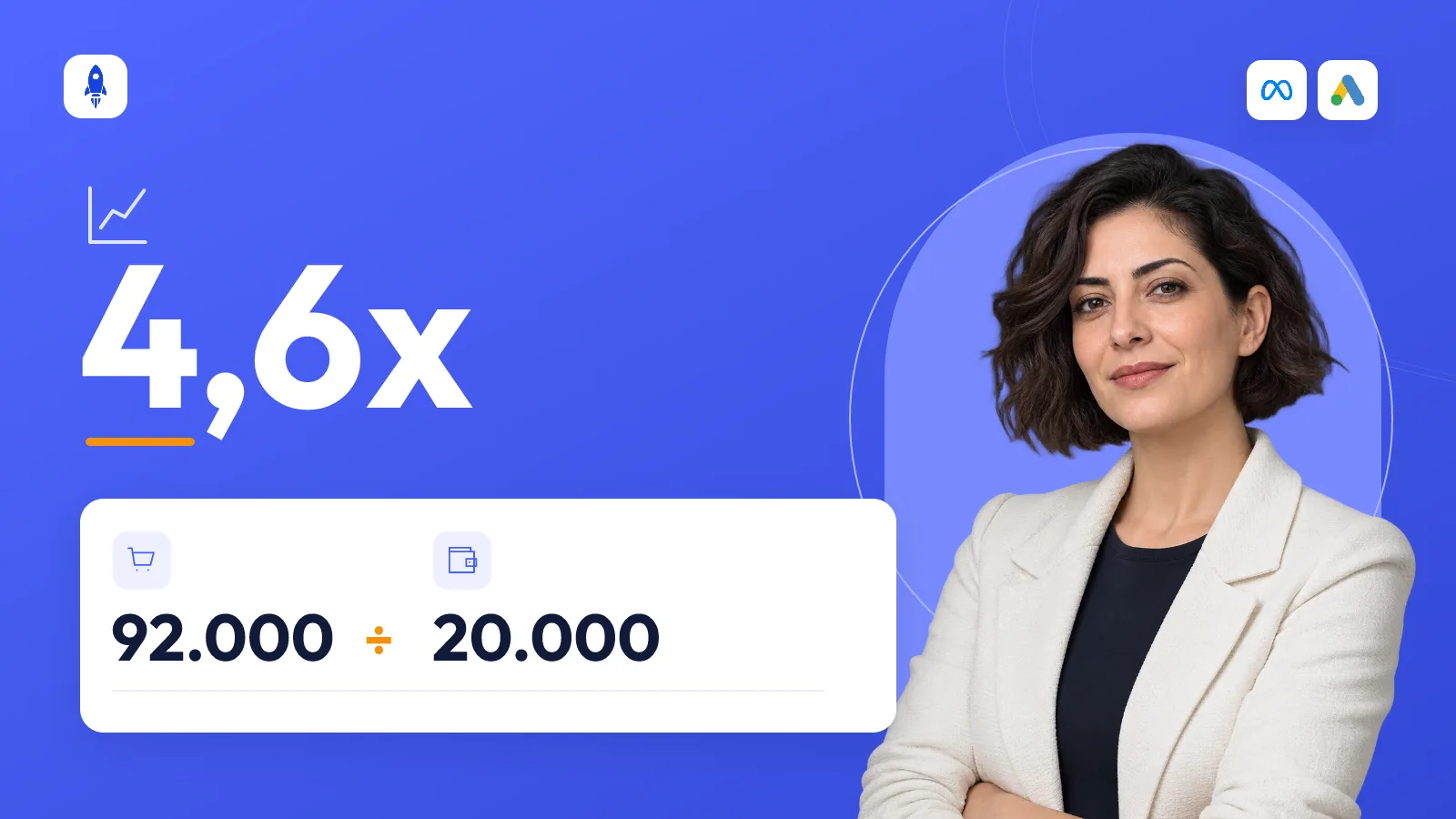
How to calculate ROAS in e-commerce — and what is a good ROAS?
The ROAS formula, how to work out break-even ROAS, how VAT and returns affect it, and how to set a target ROAS for your brand step by step.
Why don't Meta and Google sales match your store?
Seven reasons ad platform sales differ from your store revenue, how much difference is normal, and which number to base decisions on.