
An ad plan for the November sales season: preparing for 11.11 and Black Friday
· 8 min read
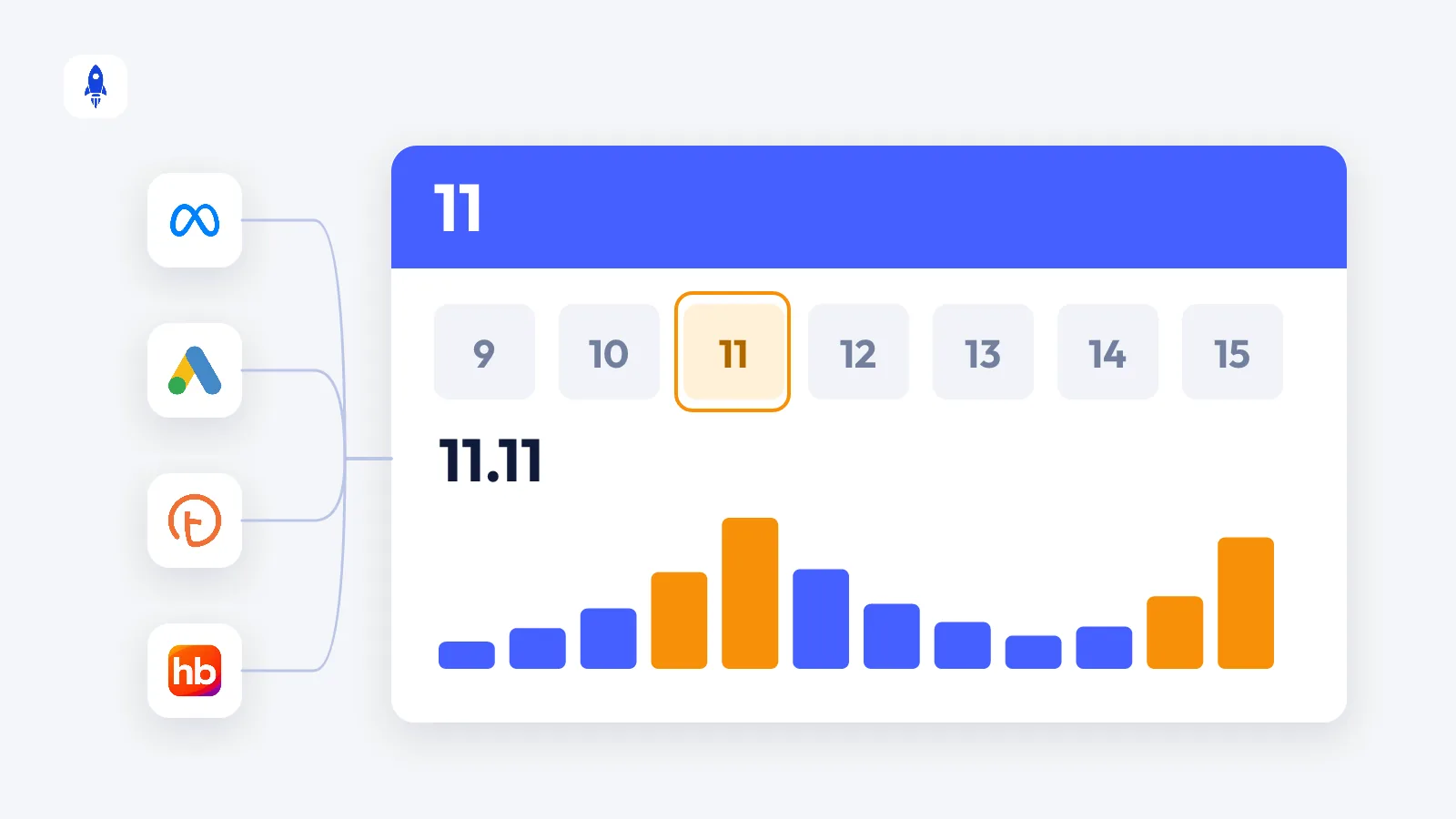
November is e-commerce's busiest period: during 11.11 and Black Friday week both demand and ad costs rise. Successful brands start building their campaign in October — warming up audiences, preparing creative and stock, and planning budget day by day.
Why is November different?
In November, brands and marketplaces alike run big discounts. 11 November (11.11) and the last week of November (Black Friday, with marketplaces running sales days under their own names) are when sales peak. During this period:
- Demand rises: People hold off purchases until these days.
- Ad costs rise: With more brands trying to reach the same audience, impression costs (CPM) usually go up.
- Attention is split: Users see dozens of campaigns on the same day, and ordinary ads get lost.
So going into November unprepared means spending expensive traffic inefficiently.
A November ad calendar
October: preparation (3–5 weeks before the season)
- Check your measurement. Make sure the pixel, server-side tracking and purchase event work correctly. Our Conversions API guide includes a checklist.
- Launch campaigns early. New campaigns need to complete their learning phase before the season starts.
- Prepare creatives. Produce discount, countdown and product-focused versions, and keep backups ready against fatigue.
- Plan stock and operations. Make sure advertised products are in stock and shipping capacity can cope.
First week of November: warm-up
- Build audiences. People who watch videos, visit the site or add to cart become your retargeting audience on campaign days.
- Build anticipation. Announcements like “30% off on 11.11” and sign-up campaigns for email/SMS lists.
- Encourage basket and wishlist behaviour. Getting people to save products they'll buy on campaign day speeds up conversion.
Campaign days: 11.11 and Black Friday week
- Split budget by day. Allocate budget to peak days; a lifetime budget spread over the campaign can make distribution easier than daily budgets.
- Push retargeting harder. The audience built during warm-up brings the highest conversion.
- Monitor hourly. Spot problems like budgets running out early, rejected ads or sold-out stock immediately.
- Watch marketplace and website together. The effect of your ads also shows up in your marketplace store (our marketplace article).
Early December: after the campaign
- Retain new customers. Thank-you and repeat-purchase campaigns for customers won in November.
- Evaluate results. Which products, channels and creatives were profitable? Look at the net result once returns are deducted.
- Move into the New Year season. Update creatives for gift-focused campaigns.
How should you plan budget in November?
Because costs rise, going into November with the ROAS expectations of a normal month can disappoint. When planning:
- Recalculate target ROAS for the discount. A 30% discount cuts margin and raises break-even ROAS. Use the formula in our ROAS guide.
- Scale budget gradually. Measured during warm-up, heavy on campaign days, then a gradual decline. For the general approach, see our ad budget article.
- Factor in new-customer value. Repeat purchases in later months from customers won in November can make up for low profit on the first order.
Creative and messaging tips
- A clear offer: “30% off”, “buy 2 pay 1”, “free shipping” — the offer should be readable in the first second.
- Urgency: Countdowns, “last 24 hours”, limited-stock messages.
- Product-focused visuals: On campaign days, users want to see the product and the price.
- Social proof: Best sellers and top-rated products.
- Variety: The same creative wears out fast in a busy period — follow the refresh routine from our creative fatigue article.
Which metrics should you review after the season?
- Total revenue during the campaign and comparison with the same period last year
- Spend and blended ROAS by channel
- Number of new customers and customer acquisition cost
- Return rate (usually higher in November)
- Repeat purchases in the 30 days after the campaign
Seeing website, marketplace and ad data on one screen, updated through the day, makes fast decisions possible throughout November. CiroFly brings every sales and ad channel into one dashboard for exactly this.
Frequently asked questions
When should ads for a November campaign start?+
Launching campaigns in October, 3–5 weeks before the season, lets them finish the learning phase in time. The first week of November is for warming up audiences; 11.11 and Black Friday week are for sales.
Why do ad costs rise in November?+
Because many brands try to reach the same audiences in the same short period, competition increases and impression costs (CPM) usually rise.
How do you set a target ROAS during a sale?+
Discounts cut margin, so break-even ROAS goes up. Recalculate break-even ROAS using the margin after the campaign discount and set your target from there.
What should you do after Black Friday?+
Run repeat-purchase campaigns for new customers won in November, evaluate the net result once returns are deducted, and move on to the New Year gift season.
See your ad, store and marketplace data in one dashboard
CiroFly combines your sales and ad channels and updates ROAS, revenue and channel breakdowns automatically every day.
Related articles

How to calculate ROAS in e-commerce — and what is a good ROAS?
The ROAS formula, how to work out break-even ROAS, how VAT and returns affect it, and how to set a target ROAS for your brand step by step.
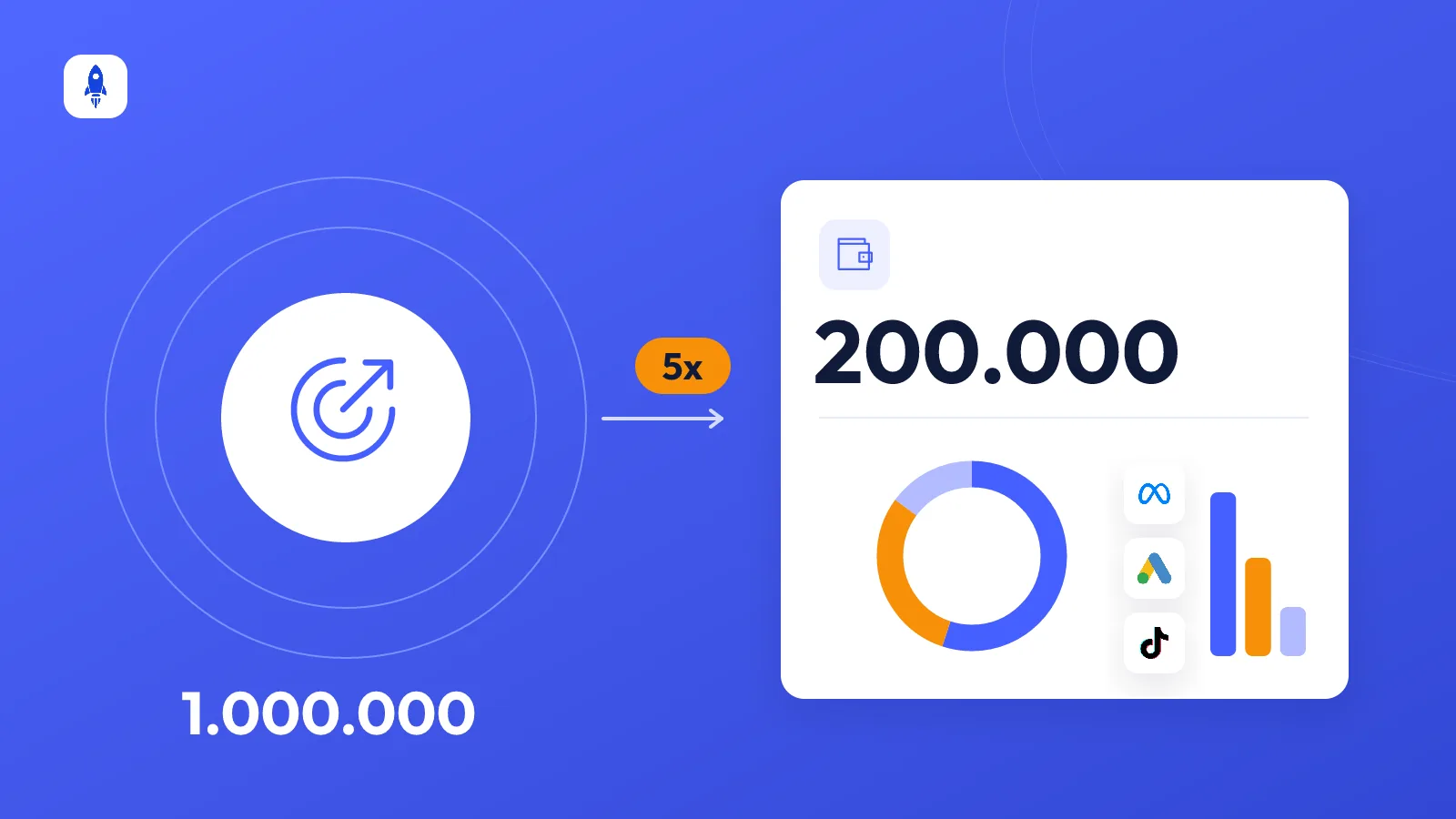
How to set an e-commerce ad budget — and split it across channels
A practical method to work out your ad budget backwards from a revenue target, split it between Meta and Google, and know when to scale up or cut back.
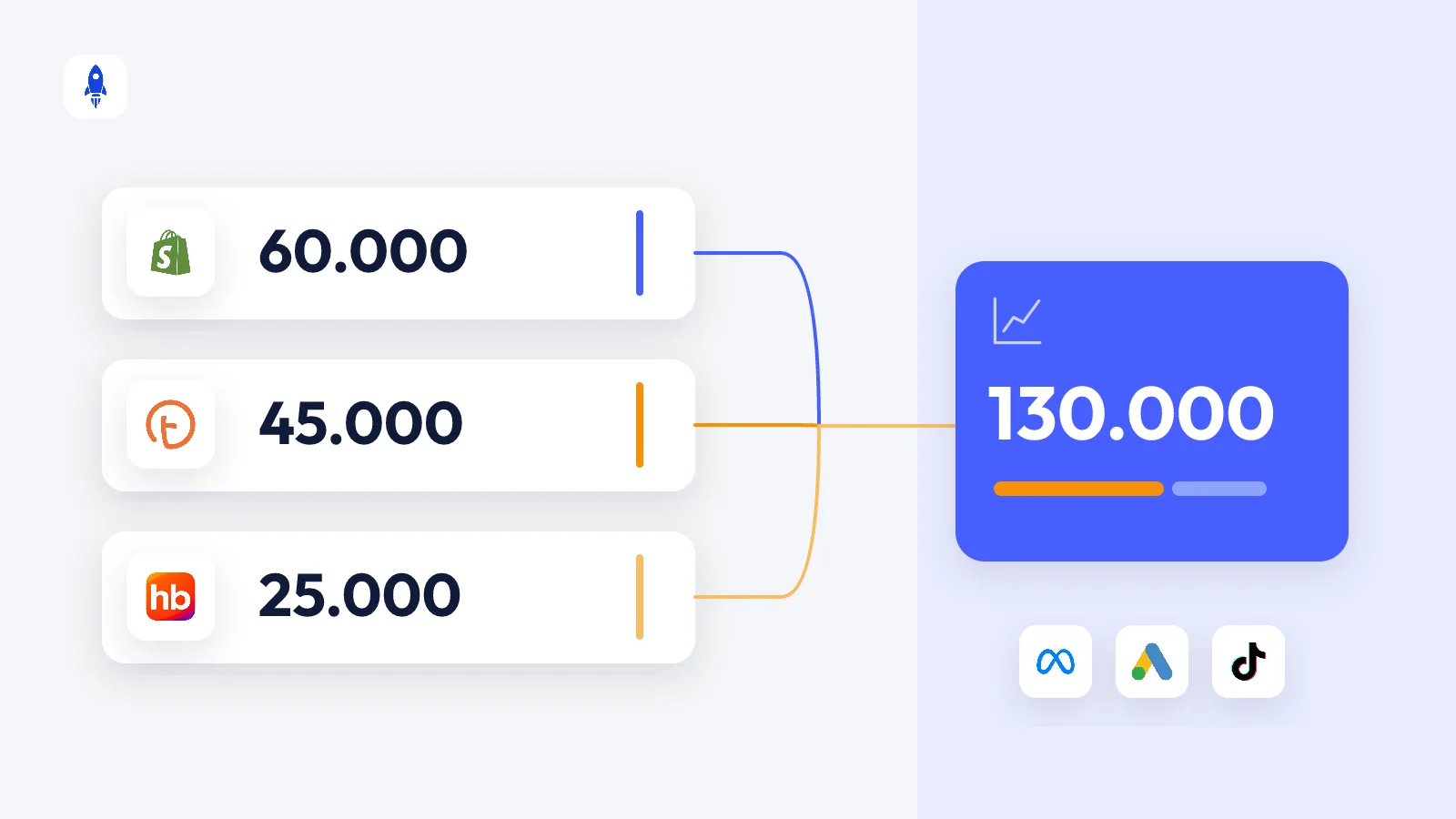
How to count marketplace sales in your ad performance
Measuring how Meta and Google ads affect sales on marketplaces like Trendyol, Hepsiburada and n11 — reading it correctly with blended ROAS, MER and channel share.